

Scalable solutions for environmental sensors
We support effective biodiversity monitoring and research through science-based study designs, high-quality data processing, and open data and collaboration. We actively contribute to the development of standardized, shared protocols and data management practices.

From ideation to implementation
Unlock the full potential of environmental sensors. From equipment selection to program design and data management, our team specializes in crafting customized solutions that align with your goals. We have extensive experience in getting environmental sensor programs off the ground, working with a range of people and organizations with goals large and small.

Innovative solutions for big data
We are passionate about advancing the science behind the use of environmental sensors. Our philosophy is to offer and use tools accessible by anyone, anywhere, to increase the efficiency of data processing and facilitate data sharing while improving the tools for all users. Our preferred tool is WildTrax, an online platform for managing, storing, processing, sharing, and discovering data from environmental sensors.

Standards for seamless sharing
Whether in the field protocols used or the way data is processed, we support the standardization and centralization of environmental sensor data. The use of the online platform WildTrax supports this aim, as does our participation in regional communities of practice. We want environmental sensor data to have the greatest possible impact.

Communities of practice
We seek to build strong partnerships to advance the science of biodiversity monitoring. Biodiversity monitoring is improved by collaboration, be it through sharing data, equipment, or best practices and lessons learned. We participate in regional communities of practice that develop and promote standards for data collection.
Meet the faces of SENSR
Our team consists of scientists with extensive experience in environmental data collection and management, protocol development, and software applications.
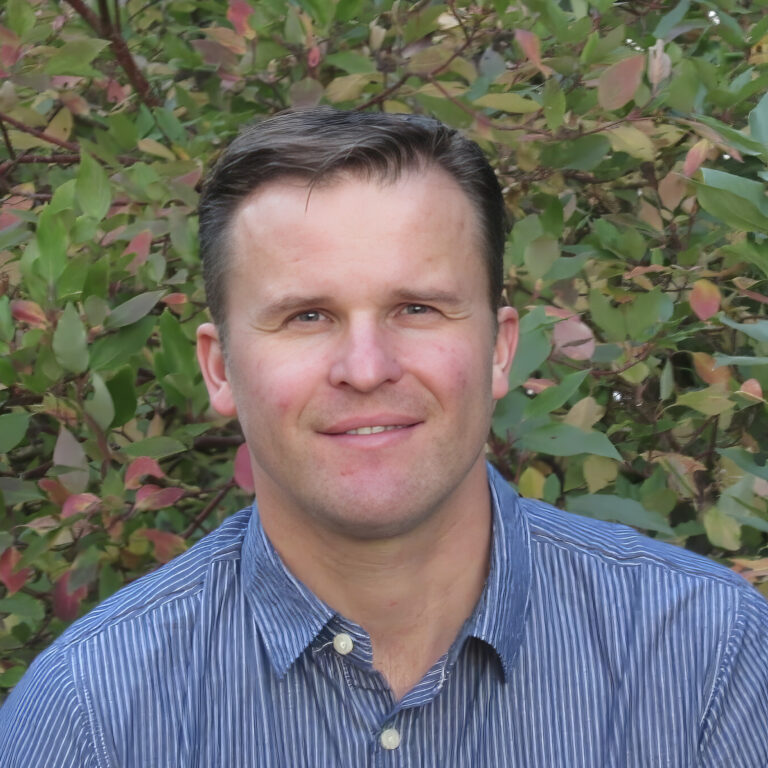
Erin Bayne
Director
Erin is a professor in the Department of Biological Sciences at the University of Alberta. As director of SENSR and co-director of the ABMI Science Centre he facilitates interactions between academics, the ABMI, government, and industry. His research focuses on how biodiversity is impacted by human activities with the goal of seeking ways to minimize impacts. Most recently he has focused on using environmental sensors, such as ARUs and cameras, and data integration to answer large-scale conservation and macroecology questions by directing development of the WildTrax platform. While he does not have a particular taxonomic focus, he is best known for the development of tools that help us understand the behavioural, population, and community dynamics of birds at various spatial and temporal scales.
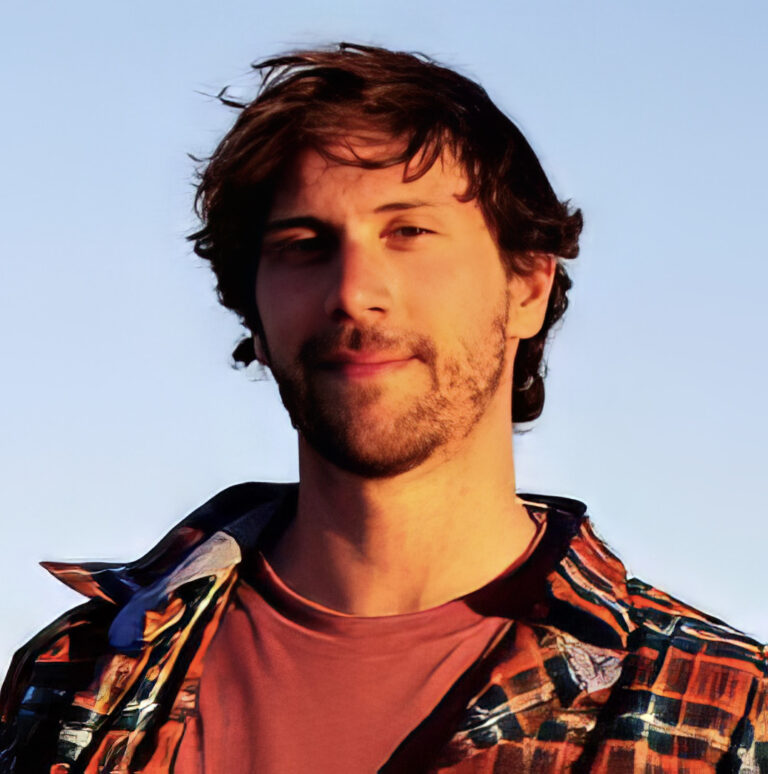
Alex MacPhail
Acoustic Information Manager
Alex leads acoustic operations at SENSR, specializing in managing extensive big acoustic datasets, and effectively communicating insights drawn from environmental sensor and biological data. His expertise and interests lie in leveraging software tools and data management solutions for species conservation. He also manages acoustic sensor operations and development in WildTrax.

Jenna Scherger
Wildlife Camera Coordinator
Jenna leads the wildlife camera operations at SENSR. She manages data intake from internal and external clients and oversees remote camera operations in WildTrax. Jenna holds a MSc and BSc from the University of British Columbia Okanagan. The majority of her research focuses on wildlife movement and habitat use, predator-prey dynamics, and human-wildlife interactions. During her MSc, Jenna used remote camera data to quantify wolf activity and relate wolf habitat use to human-wolf interactions. Her MSc research contributed to the highly collaborative Wild About Wolves project established by Parks Canada. During her BSc, Jenna used remote camera data to investigate the effects of fire on a large mammal community in Waterton Lakes National Park using a BACI design.
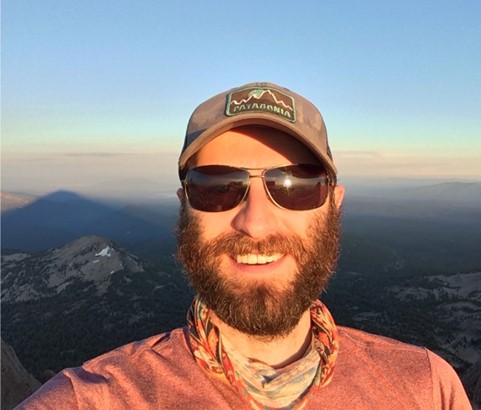
Kevin Kelly
Acoustic Technologist
Kevin grew up in British Columbia, where he developed a love for wildlife and the outdoors. He followed those interests into a career studying birds that took him across North America: from getting a master’s degree studying puffins in the Maritimes to researching eiders in the Canadian Arctic to monitoring spotted owls in California (and a lot more in-between). He brings his varied field and research background to the SENSR team to help develop new tools and strategies in the exciting field of bioacoustics.
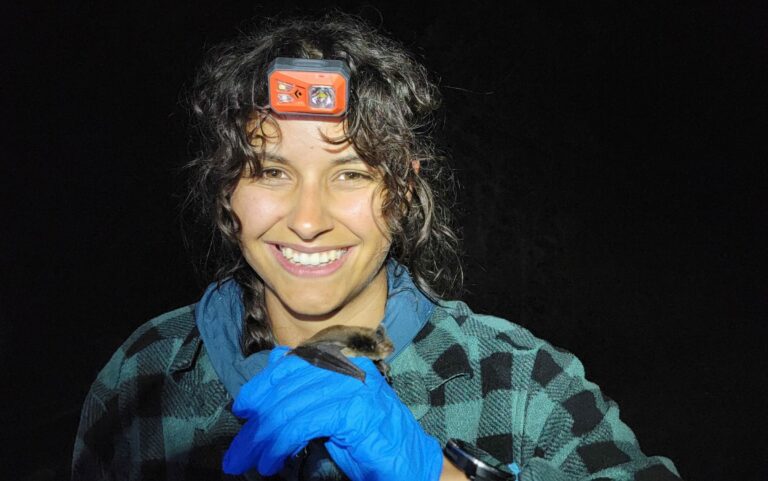
Cami Hurtado
NNW Bat Hub Coordinator
Cami first got involved with bats six years ago conducting summer roost counts for the Alberta Community Bat Program. Since then, she has immersed herself in the world of bats, pursuing a Master’s degree at the University of Alberta. Her research focuses on exploring how latitudes and varying light levels impact bat activity patterns, aiming to unravel how nocturnal species live in environments with no true darkness. Cami started with the ABMI working as a Biodiversity Program coordinator, supporting diverse projects within the organization. She became the full-time NNW Bat Hub Coordinator for SENSR in 2024.
Want to join the team?
See our current opportunities

A Biodiversity Pathways Initiative
SENSR is part of Biodiversity Pathways, a value-neutral non-profit that develops scientifically credible monitoring programs in Canada.
biodiversitypathways.ca